Concentration Risk
The allure of a hot stock or a booming industry can be strong. But when it comes to investing, understanding market concentration risk should be front of mind.
Market concentration risk refers to the potential for significant losses in your portfolio due to an overreliance on a single sector, asset class, or even a single security. More than ever, it can perhaps be said about the S&P 500 index.

Imagine a portfolio heavily invested in tech stocks. If a tech bubble bursts, your portfolio could suffer devastating losses. Market concentration exposes you to this kind of vulnerability. Here’s why it’s important:
- Increased Volatility: Concentrated portfolios experience sharper swings in value compared to diversified ones. A downturn in your dominant sector can wreak havoc on your returns.
- Reduced Upward Potential: While a concentrated sector may outperform initially, missing out on diversification limits your exposure to potential growth in other areas.
- Lack of Resilience: Unexpected events can disrupt specific sectors. A concentrated portfolio lacks the resilience to weather such storms.
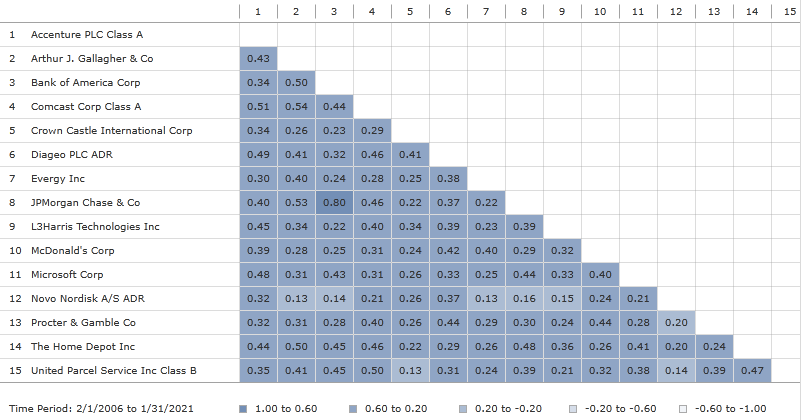
Brookmont addresses concentration risk in several ways. Holdings have a maximum 5% threshold with profits rebalanced. Portfolio managers also look for low internal correlation between holdings.
Focusing on internal correlation and end market exposure rather than broad sector classifications ensures that portfolios have adequate breadth to endure business cycle fluctuations.
Market concentration risk can be a significant threat to your portfolio’s health. By diversifying your investments and avoiding overexposure to any single area, you can build a more resilient portfolio that can navigate market fluctuations and achieve your long-term financial goals. Remember, a balanced approach is key to successful investing.